Endometriosis: Listening Beyond the Symptoms
By Sandy
Endometriosis is often approached as a purely physical condition — a problem of tissue, hormones, and inflammation. And while these aspects are real and important, they are not the whole story.
For many women, endometriosis carries a deeper layer — one that is not always spoken about: a psychosomatic and emotional dimension, sometimes intertwined with personal history, family lineage, and the way the feminine has been lived, expressed, or suppressed across generations.
This is not about blame. It is about expanding the lens through which healing is approached.
The Psychosomatic Dimension
The body is not separate from our lived experience. It records, adapts, protects. In psychosomatic understanding, symptoms are not random — they are often expressions of something the system has not yet been able to process or integrate.
With endometriosis, some recurring themes explored in holistic approaches include:
- Difficulty in expressing boundaries
- Inherited patterns around the feminine role
- Unresolved emotional tension held in the pelvic space
- Disconnection from the body's natural rhythms
These are not universal truths — but invitations to explore.
The Role of Lineage & Family Constellations
Many women with endometriosis notice patterns: similar conditions in mothers or grandmothers, repeated stories of suppression, silence, or sacrifice, inherited beliefs about womanhood.
This is where approaches like Family Constellations can offer a different doorway. This work looks at how unresolved dynamics within a family system may continue through generations — not consciously, but through patterns of behavior, emotion, and even physical expression.
Through this lens, endometriosis is not just "your condition" — it may be part of a larger story asking to be seen and integrated. For some women, this perspective alone can begin to shift their relationship with the body — from resistance… to listening.
The Inflammatory Nature of Endometriosis
At the physical level, endometriosis is strongly linked to chronic inflammation. This means that daily choices — especially around food and lifestyle — can significantly influence symptoms. An anti-inflammatory way of eating becomes a foundational support.
Food as Daily Medicine
A plant-centered, anti-inflammatory approach focuses on:
- Whole, unprocessed foods
- A wide diversity of vegetables
- Healthy fats (especially omega-3)
- Stable blood sugar
It gently removes or reduces:
- Refined sugar
- Processed foods
- Inflammatory oils
- Excessive caffeine and alcohol
This is not about restriction — it is about creating an internal environment where inflammation can settle.
A well-structured plant-based approach can provide:
- Complete proteins (lentils, chickpeas, quinoa, seeds)
- Fibre for gut health
- Phytonutrients that reduce inflammation
The Importance of the Gut & Liver
Two systems play a central role in endometriosis:
The Gut
- Influences inflammation
- Supports hormone metabolism
- Impacts immune response
The Liver
- Processes and eliminates excess hormones (including estrogen)
- Supports detoxification pathways
When these systems are supported, the body becomes more capable of regulating itself.
Simple Herbal Support
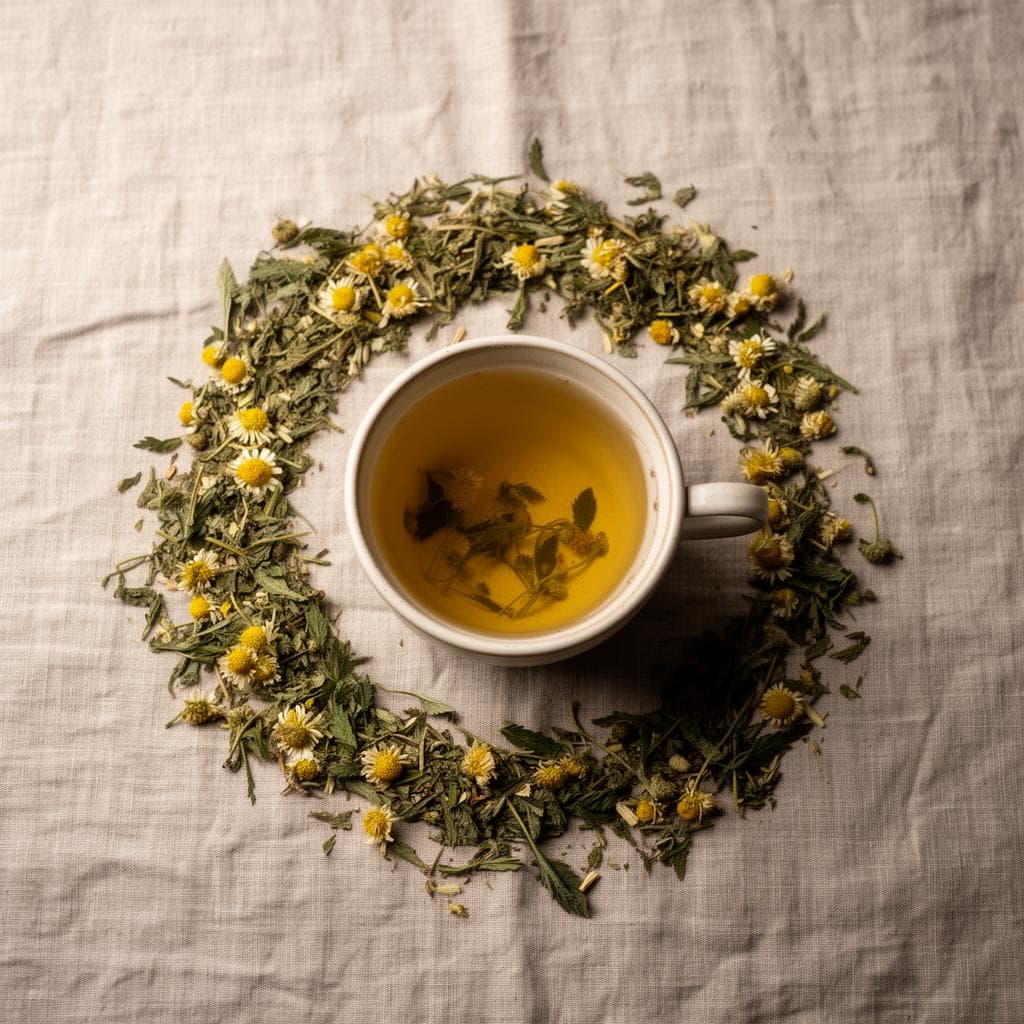
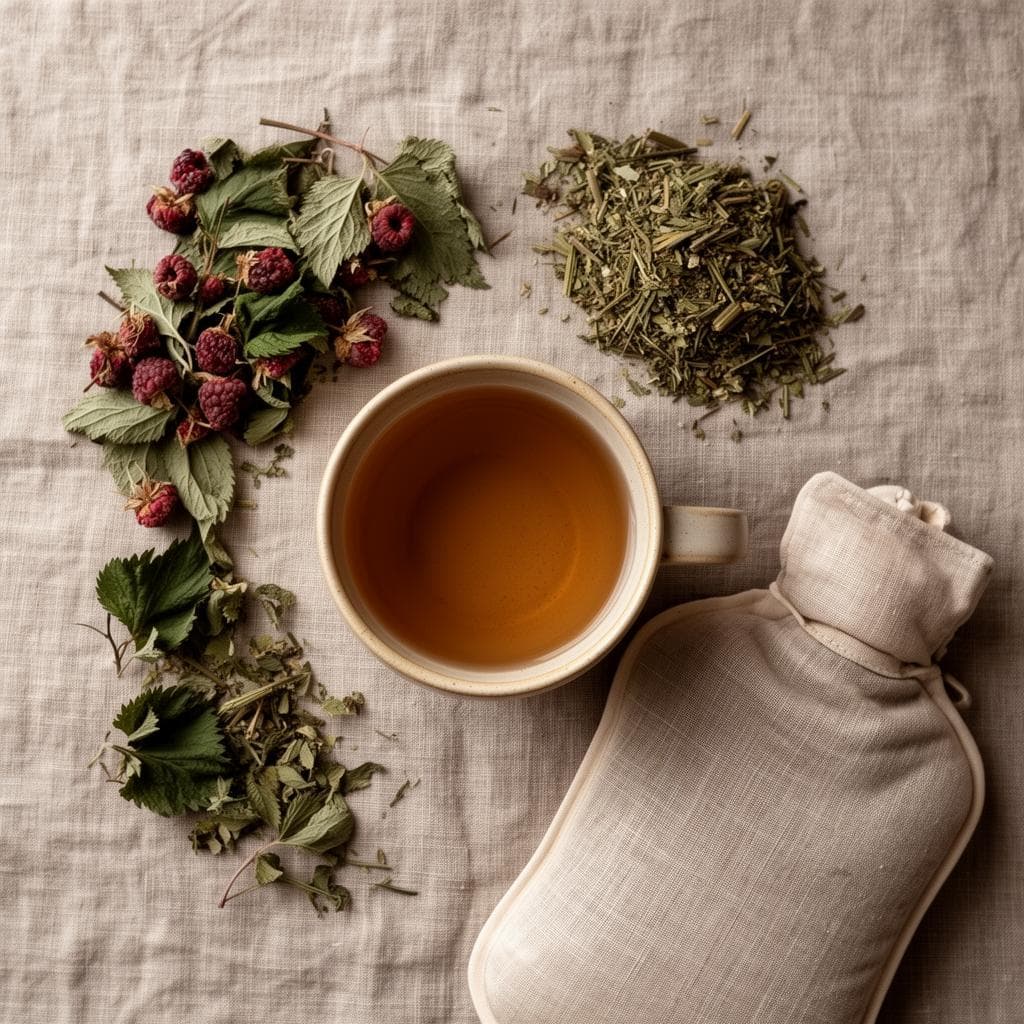
Certain plants can gently support this process when used as teas or infusions:
- Nettle — mineralizing, supports overall vitality
- Raspberry leaf — toning for the reproductive system
- Lemon balm — calming, supports the nervous system
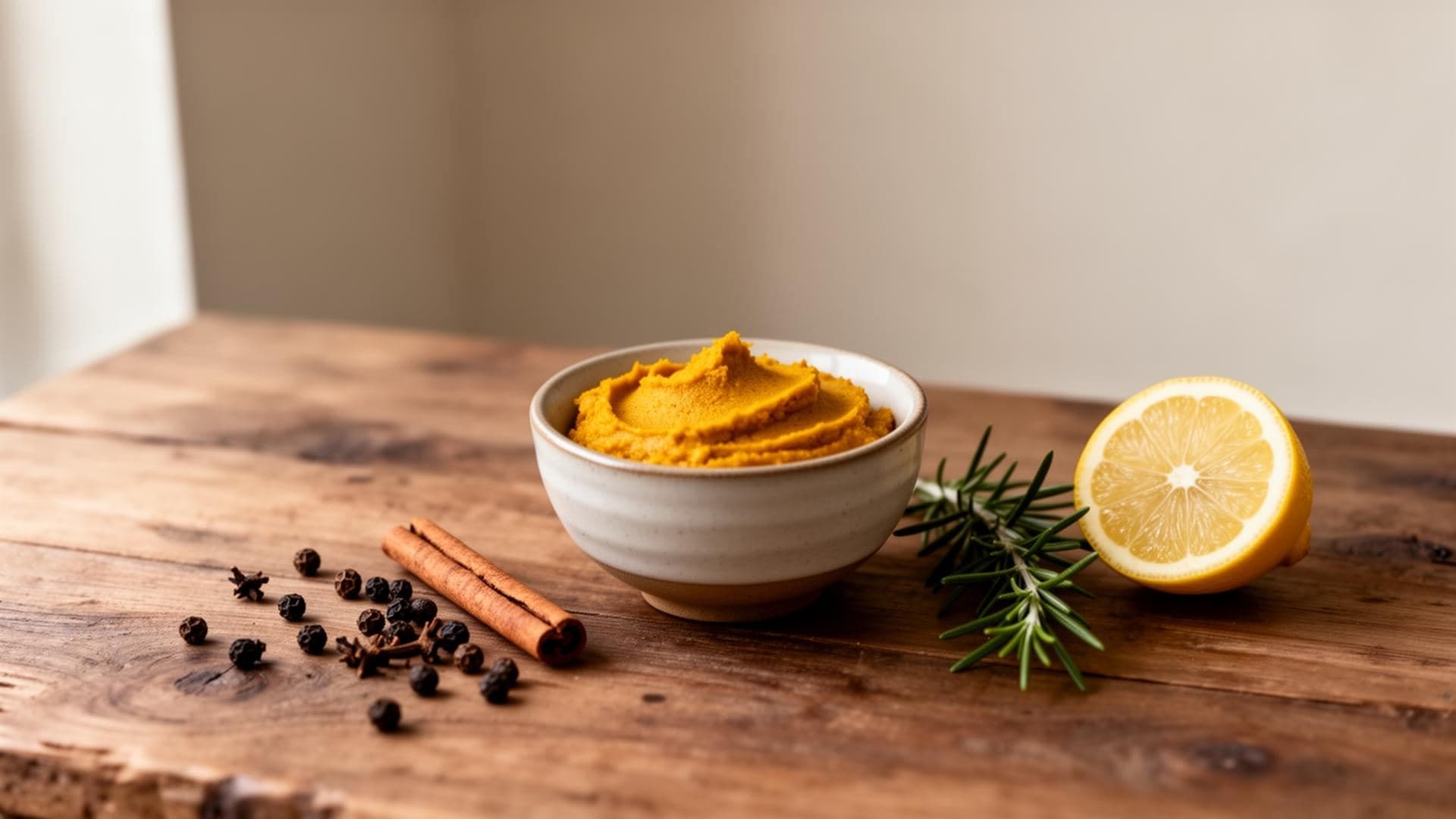
- Ginger & turmeric — anti-inflammatory, support digestion
These can be used individually or in gentle combinations, ideally with guidance.
The Power of Warmth: A Simple Evening Practice
A very simple yet powerful practice: placing a hot water bottle on the liver area or lower abdomen in the evening.
Why this helps:
- Warmth increases circulation
- Supports relaxation of tissues
- Encourages parasympathetic (rest-and-digest) activation
- Can support liver function and digestion
This is not just physical. It is also deeply regulating for the nervous system — a signal of safety, softness, and care.
Supportive Supplementation
While always best personalized, some commonly supportive nutrients include:
- NAC (N-acetylcysteine) → supports detoxification and may help reduce inflammation
- Vitamin D3 (preferably plant-based from lichen) → supports immune and hormonal balance
- Omega-3 fatty acids → strongly anti-inflammatory
Plant-based sources of omega-3 include:
- Flaxseeds
- Chia seeds
- Walnuts
- Algae-based supplements (direct DHA/EPA source)
Beyond the Physical
Endometriosis invites a multi-layered approach. Not just what you eat and what you take — but also how you live, how you feel, and what you carry.
Healing often happens when all layers are gently addressed together.
A Path of Learning & Integration
For those who feel called to explore this more deeply, immersive experiences can create a powerful shift. A 4-day culinary immersion focused on anti-inflammatory, plant-based nourishment offers practical tools, hands-on learning, a supportive environment, and a chance to reconnect with the body.
Sometimes, stepping out of daily life is what allows real change to begin.
A Final Note
Endometriosis is complex. There is no one single cause — and no one single solution. But there is a path of listening.
A path that includes the body, the nervous system, nourishment, and the deeper stories we carry. And from that place — healing becomes less about fighting the body… and more about learning how to support it.
Always consult a healthcare professional for diagnosis and treatment. Herbs and supplements may interact with medications. Individual needs vary greatly. This approach is complementary, not a replacement for medical care.
Stay Inspired
Receive seasonal inspiration, recipes, and mindful living tips from Swara Slow Living.