Kitchari: Seasonal Practice to Support Digestion, Energy, and Vitality
By Sandy
As the seasons shift, our bodies naturally adjust to changes in temperature, energy, and activity. In Ayurveda, these transitions are an ideal time to support digestion, energy flow, and overall balance. One of the gentlest, most nourishing ways to do this is with kitchari, a traditional dish of mung beans, rice, and warming spices — a simple, restorative meal that helps your body regulate and harmonize in between seasons.
This practice is especially beneficial in spring and autumn, when your body is naturally adjusting from the heavier, slower qualities of winter to the lighter, more active qualities of spring, or vice versa.
Why Kitchari Supports Seasonal Harmony
Kitchari is not a diet or a strict cleanse; it is a tool for gentle regulation and nourishment. It works because it is:
- Easy to digest → gentle on the digestive system, reducing stress and inflammation
- Easy to absorb → nutrients are delivered efficiently to the body
- Easy to eliminate → supports smooth digestion and natural cleansing pathways
It provides:
- Nourishing protein and carbohydrates, giving your body fuel without overloading the digestive system
- Warm, grounding spices that support digestion, circulation, and liver function
- A calming, restorative effect on the nervous system, helping you feel lighter, clearer, and more in tune with your natural rhythms
Who Can Benefit?
This practice can support people with:
- Digestive issues like bloating, sluggish digestion, or irregularity
- Metabolic concerns, such as blood sugar imbalances or insulin resistance
- Nervous system imbalances, stress, or low energy
- Hormonal shifts or seasonal fatigue
Intermittent Fasting Amplifies the Benefits
When combined with intermittent fasting, kitchari becomes even more supportive:
- Fasting helps regulate insulin sensitivity, reducing nighttime blood sugar fluctuations
- Hormonal balance is supported, including cortisol and melatonin rhythms
- Digestion is naturally paced, allowing your body to fully absorb nutrients
For example, a 10:00–18:00 eating window allows your body to nourish itself fully with kitchari during the day while enjoying a gentle overnight fast that promotes digestive and metabolic harmony.
Ingredients for a Spring Kitchari
For a spring-focused practice, the goal is to lighten and support digestion while still nourishing the body.
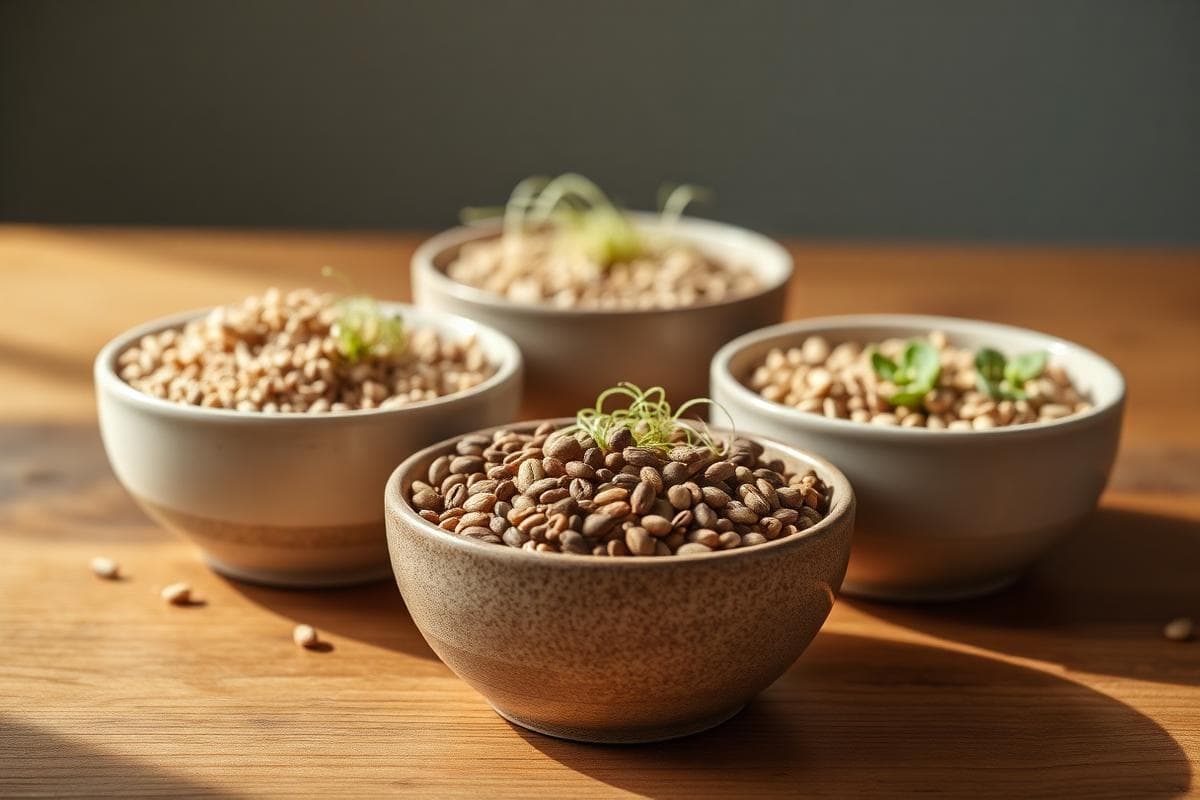
Grains: White basmati rice (classic, easy to digest). Alternatives: quinoa, millet, or sorghum.
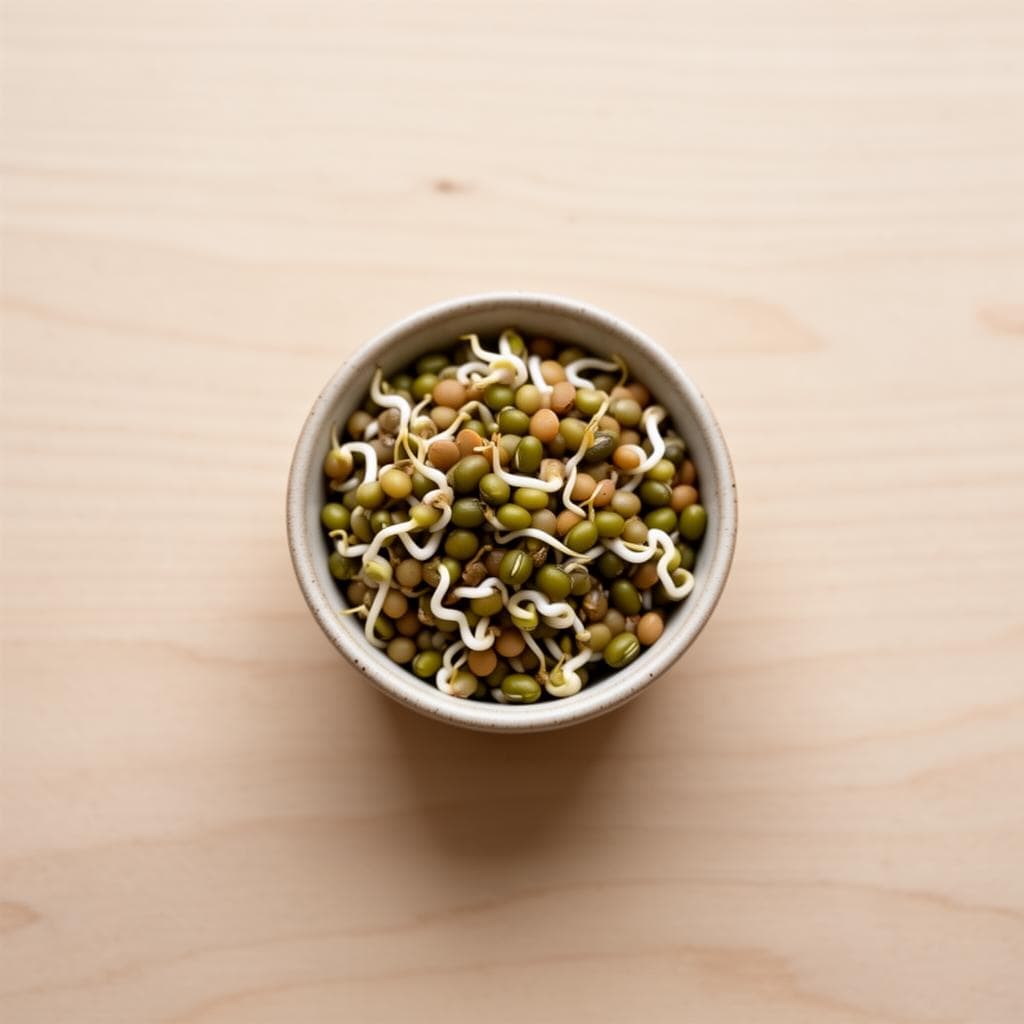
Legumes: Mung beans (whole or split, sprouted if possible). Alternatives: red lentils or adzuki beans for variety and digestibility.
Spices & Herbs (balancing and warming for spring):
- Cumin → supports digestion and metabolism
- Coriander → balances Pitta and aids liver function
- Fennel → reduces bloating and supports gut motility
- Turmeric → anti-inflammatory and liver-supportive
- Fresh ginger → stimulates digestion
- Optional: fresh cilantro or parsley for freshness and detoxifying effect
Fat & Flavour: Ghee nourishes without heaviness and supports digestion. Coconut oil or olive oil are lighter alternatives.
How to Practice a Seasonal Kitchari Program
Duration: 3–5 days is ideal for supporting your body through seasonal changes. Can be extended if desired, but 3–5 days provides sufficient regulation without strain.
Meal timing:
- Eat when hungry rather than strictly on a schedule
- Typically 2–3 meals per day are sufficient
- Keep portions moderate: enough to feel satisfied but not heavy
Preparation tips:
- Cook mung beans and rice until soft, almost porridge-like
- Use water or light vegetable broth
- Adjust spices to taste
- Garnish with fresh herbs for seasonal vibrancy
Optional additions: Light seasonal vegetables (zucchini, carrots, leafy greens) and sprouted mung beans for added enzymes, antioxidants, and nutrient bioavailability.
Benefits of a Kitchari Seasonal Practice
Kitchari works because it is easy to digest, easy to absorb, and easy to eliminate, giving your digestive system a gentle rhythm while delivering nutrients efficiently to your body.
- Digestive support and regulation → gives the gut a gentle, nourishing rhythm
- Steady energy → slow-releasing nutrients avoid spikes and crashes
- Nervous system calm → soothing spices and easy-to-digest foods reduce stress signals
- Liver and metabolic support → spices like turmeric, cumin, and coriander enhance natural cleansing pathways
- Cellular nourishment → sprouted mung beans increase nutrient absorption and antioxidants
For people with different conditions, this approach can be tailored individually:
- Digestive imbalances: stick to mung beans and basmati rice
- Blood sugar or insulin concerns: pair with intermittent fasting and minimal additional starches
- Stress or nervous system dysregulation: include warm spices and journaling before meals to integrate mindful eating
Reflection and Coaching
If you try this seasonal kitchari practice, pay attention to how your digestion, energy, and clarity shift. Keep a small journal of:
- Meal timing and portion satisfaction
- Emotional or mental states
- Energy levels throughout the day
For guidance or personalized support, you can connect with me. My four-month holistic coaching program helps you integrate practices like kitchari, intermittent fasting, and seasonal nutrition into your lifestyle for lasting balance, vitality, and mindful living.
Reflection Questions
- How does my digestion feel before, during, and after this seasonal practice?
- Which emotions or mental patterns arise while eating simple, nourishing meals?
- What seasonal changes do I notice in my energy, sleep, or clarity?
- How can I integrate mindful, nourishing meals into my life beyond this practice?
Science Meets Ancient Wisdom
Kitchari has centuries of Ayurvedic tradition supporting its use for seasonal harmony and digestive balance. Modern research confirms that mung beans and warming spices support digestion, reduce inflammation, and enhance nutrient absorption. Sprouting legumes further increases enzymes, antioxidants, and bioavailability, making this practice both ancient and scientifically supported.
If this theme resonates with you and you'd like dedicated, personalised support to regulate your health over 40 days — explore our Regulate program, designed to help you build autonomy, balance, and confidence in your daily wellbeing.
Stay Inspired
Receive seasonal inspiration, recipes, and mindful living tips from Swara Slow Living.