Intermittent Fasting and the Feminine Cycle
By Sandy
Intermittent fasting (IF) has gained popularity as a tool for digestion, metabolism, and cellular renewal. But for women, applying intermittent fasting without consideration of the menstrual cycle can sometimes create imbalances rather than support. When approached thoughtfully, fasting can harmonize with your feminine rhythm, boost energy, regulate hormones, and support fertility and overall wellbeing.
What is Intermittent Fasting?
Intermittent fasting is a pattern of cycling between periods of eating and periods of fasting, rather than focusing solely on what you eat. Common fasting windows include 10–16 hours, but the length and timing can vary depending on your body, lifestyle, and — for women — the phase of your menstrual cycle.
The benefits of fasting include:
- Improved digestion and nutrient absorption
- Enhanced insulin sensitivity and metabolic regulation
- Hormonal balance (especially cortisol, insulin, and reproductive hormones)
- Cellular repair and autophagy, supporting longevity and resilience
Fasting Through the Menstrual Cycle
A woman's cycle is divided into four phases: menstrual, follicular, ovulatory, and luteal. Each phase has unique hormonal patterns that influence energy, appetite, and metabolism. By adjusting fasting windows and food choices according to the cycle, fasting can become a tool for harmony rather than stress.
1. Menstrual Phase (Days 1–5 approx.)
Estrogen and progesterone are low; energy may be lower. Keep fasting shorter (8–10 hours) or skip fasting if you feel depleted. Focus on easy-to-digest, nourishing foods rich in iron, magnesium, and healthy fats. Your body is in repair mode, losing iron and needing gentle nourishment.
2. Follicular Phase (Days 6–14 approx.)
Rising estrogen brings increasing energy. 12–14 hour fasts are usually well-tolerated. Focus on protein-rich meals, complex carbs, and nutrient-dense foods to support energy and ovulation. The body can tolerate slightly longer fasts as metabolism increases.
3. Ovulatory Phase (Days 15–17 approx.)
Peak estrogen and luteinizing hormone. 12–14 hours of fasting work well, but listen to your energy levels — don't force a long fast if fatigued. Focus on anti-inflammatory foods, light meals, and hydration. Energy is high, but the body may be sensitive to stress; fasting should be gentle.
4. Luteal Phase (Days 18–28 approx.)
Progesterone rises, slightly increasing body temperature and appetite. Shorten fasts (10–12 hours) if you notice cravings or fatigue. Focus on foods that stabilize blood sugar and support mood, like fiber-rich carbs, healthy fats, and protein. The body is preparing for menstruation; energy needs are higher.
Your Cycle at a Glance
| Cycle Phase | Hormones | Fasting Hours | Foods to Eat | Foods to Avoid | Energy Tips |
|---|---|---|---|---|---|
| Menstrual Days 1–5 | Low estrogen & progesterone | 8–10 hrs (or skip) | Iron-rich lentils, dark leafy greens, tahini, warm soups, stewed vegetables | Cold raw foods, excess caffeine, refined sugar, fruit juices | Rest, gentle walks, prioritize sleep |
| Follicular Days 6–14 | Rising estrogen | 12–14 hrs | Tempeh, sprouted grains, quinoa, leafy greens, hemp seeds | Heavily processed foods, refined carbohydrates | Increase activity, try new movement, build energy |
| Ovulatory Days 15–17 | Peak estrogen & LH | 12–14 hrs (listen to body) | Anti-inflammatory turmeric dishes, berries, walnuts, light grain bowls | Processed foods, excess salt, alcohol, dried fruit | Channel energy into creativity, social connection |
| Luteal Days 18–28 | Rising progesterone | 10–12 hrs | Root vegetables, nut butters, chia pudding, lentil soups, avocado | Refined sugar, excess caffeine, alcohol, white bread, white rice | Slow down, restorative yoga, warm baths |
How to Break Your Fast
Breaking your fast is just as important as the fast itself. The first food after a fasting window sets the metabolic tone for the hours ahead. Foods that convert rapidly into glucose — white bread, fruit juice, dates, white rice, sweetened granola — trigger a sharp insulin spike, create reactive hunger, and undermine the metabolic stability that fasting builds.
Instead, the goal is to reintroduce food gently with protein, healthy fats, and fiber — the three macronutrients that slow glucose absorption, sustain energy, and support hormonal balance.
Plant-based foods to prioritize:
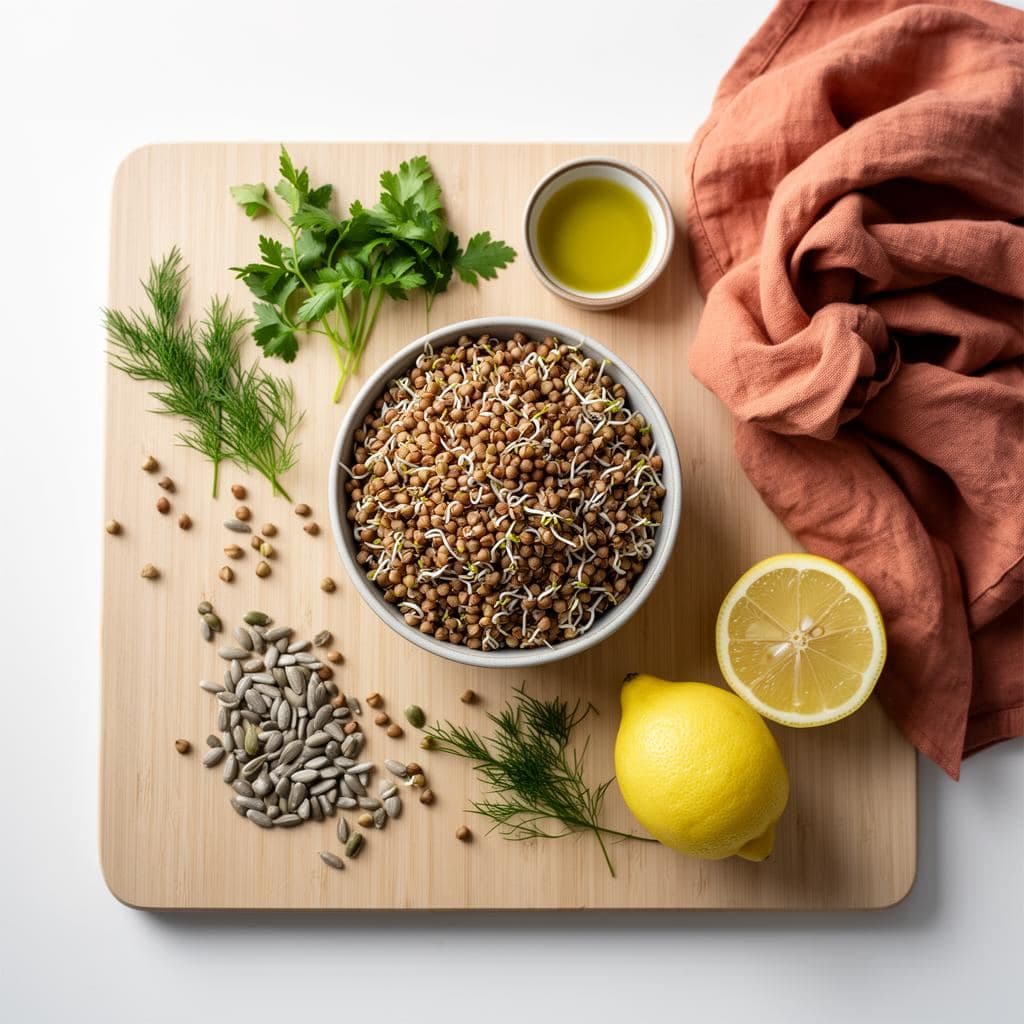
- Protein — lentil or mung bean soup, tempeh, sprouted legumes, hemp seeds, spirulina
- Healthy fats — avocado, tahini, walnuts, chia seeds, extra-virgin olive oil
- Fiber-rich vegetables — lightly steamed greens, courgette, fennel, warm vegetable broth
- Complex carbohydrates — small portion of quinoa, buckwheat porridge, or sourdough with nut butter
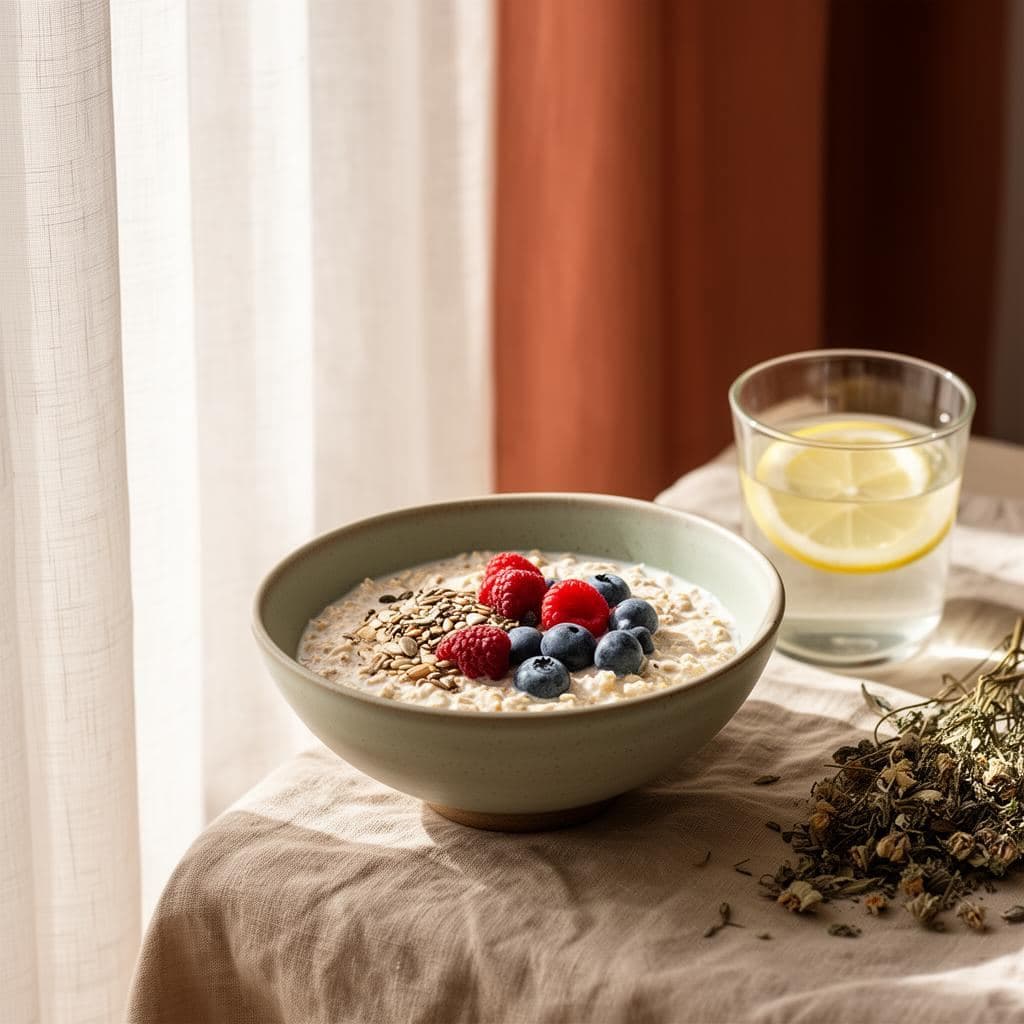
- Hydration — warm lemon water, ginger tea, or herbal infusions before solid food
Foods to avoid immediately after fasting:
- High-glucose foods — fruit juice, dates, dried fruit, honey, maple syrup, white bread, white rice, sweetened oats
- Processed carbohydrates — crackers, pastries, granola bars, breakfast cereals
- Raw cruciferous vegetables in large portions (cauliflower, broccoli, cabbage) — these can cause bloating on an empty stomach
- Excess caffeine or alcohol
Tip: Start with a warm liquid (broth or tea), then move to a small portion of protein and fat. Wait 15–20 minutes before a fuller meal. This sequence protects blood sugar stability and supports gentle reactivation of digestion.
Why Intermittent Fasting Is Different for Women
Unlike men, women's hormones fluctuate throughout the month. Long fasts during the luteal or menstrual phase can stress the adrenal and thyroid systems, affecting energy, mood, and fertility. By aligning fasting windows with your cycle, you can optimize hormone balance, support metabolic health, and maintain steady energy.
Integrating IF with Lifestyle
To maximize the benefits:
- Hydrate during fasting with water or herbal teas
- Combine fasting with mindful eating practices and seasonal, nutrient-dense plant-based meals
- Include gentle movement like walking or yoga, avoiding high-intensity training during lower-energy phases
- Track your cycle and note how fasting windows affect energy, digestion, and mood
Reflection Questions
- How does fasting feel in different phases of my cycle?
- Which plant-based foods support my energy best when breaking the fast?
- What adjustments could I make to harmonize my fasting with my natural rhythm?
- How does my energy, mood, and digestion shift when I align fasting with my cycle?
Science Meets Ancient Wisdom
Intermittent fasting is not just a modern trend — it aligns with the body's natural circadian and hormonal rhythms. Women's cycles are deeply connected to these rhythms, and adjusting fasting windows and food choices according to your cycle is supported both by hormonal science and traditional practices. Mindful application allows fasting to support energy, metabolism, digestion, and nervous system balance instead of stressing the body.
If this topic resonates with you and you'd like dedicated, personalized support to regulate your health over 40 days — explore our Regulate program, designed to help you build autonomy, balance, and confidence in your daily wellbeing.
Stay Inspired
Receive seasonal inspiration, recipes, and mindful living tips from Swara Slow Living.