A Gentle IBS Support Protocol
By Sandy
This is not a strict diet. It is a process of supporting your body so digestion can become easier, more stable, and more predictable.
The goal is not perfection. The goal is reducing overload and rebuilding trust with your body.
Step 1 — Create Safety Before Changing Food
Digestion depends on the nervous system. Before focusing on what you eat, begin with how you eat.
Daily practice:
- Sit down for meals (no eating standing or walking)
- Avoid screens while eating
- Take 3 slow breaths before your first bite
- Eat in a calm environment
This simple shift can already reduce bloating, discomfort, and reactivity.
Step 2 — Simplify Your Meals
IBS often improves when digestion is not overwhelmed. Focus on fewer ingredients per meal, simple combinations, and warm, cooked foods.
Example structure:
- Cooked vegetables
- One protein source (lentils, tofu, legumes, seeds)
- One carbohydrate (rice, quinoa, sweet potato)
Avoid very large meals and too many different foods at once.
Step 3 — Adjust the Way You Prepare Foods
Preparation is key — especially for legumes, grains, and high-fibre vegetables.
Support digestion by:
- Soaking legumes overnight
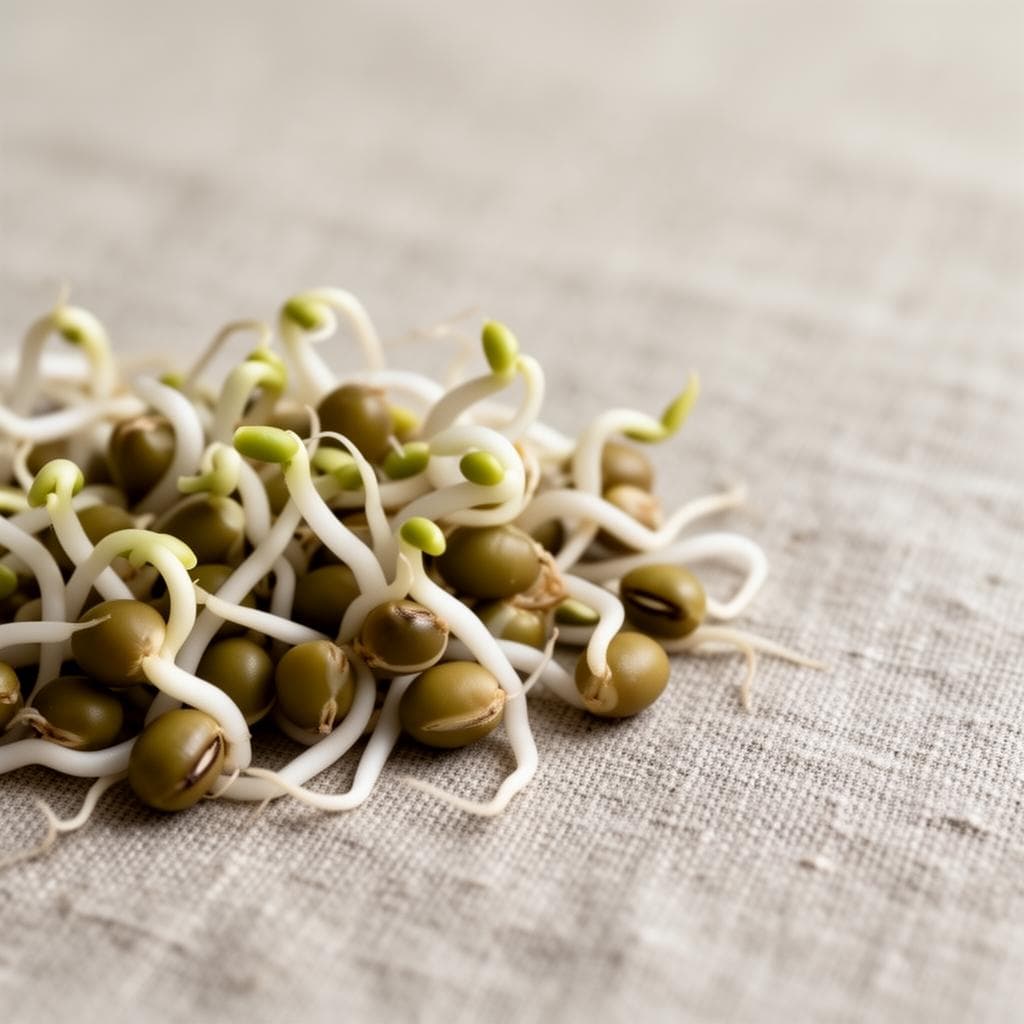
- Sprouting when possible
- Cooking thoroughly
- Using spices like cumin, fennel, ginger
This reduces fermentation, gas, and heaviness.
Step 4 — Regulate Meal Rhythm
The body needs time to digest. Aim for:
- 2–3 main meals per day
- 3–4 hours between meals
- Avoiding constant snacking
This allows proper digestion, reduced fermentation, and better gut motility.
Step 5 — Support the Gut Gently
Instead of aggressive protocols, focus on gentle support.
Helpful additions:
- Warm herbal teas (fennel, peppermint, ginger)
- Mineral-rich infusions (like nettle)
- Warm water throughout the day
These support digestion, relaxation of the gut, and reduced bloating.
Step 6 — Reduce Overload
IBS is rarely only about food. Ask yourself daily: "What is overwhelming my system right now?"
This may include:
- Stress
- Rushing
- Lack of rest
- Emotional tension
Support your system by creating pauses during the day, reducing stimulation, and allowing time to rest.
Step 7 — Observe Without Judging
Begin to notice patterns. After meals, ask:
- Do I feel light or heavy?
- Is there bloating?
- Was I relaxed when I ate?
No need to analyse deeply. Just observe. This builds awareness, connection, and trust.
Step 8 — Reintroduce Gradually
Avoid removing too many foods. Instead: simplify first, stabilize digestion, then reintroduce foods slowly.
Your goal is not restriction. It is expanding tolerance over time.
Step 9 — Support the Nervous System
Your gut reflects your state. Daily support can include:
- Walking in nature
- Gentle movement
- Breathwork
- Quiet moments without stimulation
Even 10–15 minutes can shift your system.
Step 10 — Be Patient
IBS does not change overnight. Your body is learning to feel safe, to digest differently, to respond in a new way.
Give it time. Consistency matters more than intensity.
What to Expect
As your system begins to regulate, you may notice:
- Less bloating
- More stable digestion
- Less reactivity to foods
- More clarity around what supports you
A Final Reminder
You are not trying to control your body. You are learning to support it. And with the right conditions, the body often knows how to find its way back to balance.
Each body is different. If you feel unsure where to begin, or if your symptoms feel complex, having guidance can make the process much clearer. Through health coaching or immersive experiences, we work together to understand your specific patterns, simplify your approach, and create a way of eating and living that feels sustainable. Gently. At your rhythm.
Stay Inspired
Receive seasonal inspiration, recipes, and mindful living tips from Swara Slow Living.