Fiber & Flow: Cultivating Your Gut Garden with Every Bite
By Sandy
There is a quiet power in the foods that support us most deeply — the ones that feed not only our bodies but our inner ecosystem. Among these, dietary fiber stands out as one of the most transformative, yet often overlooked, forces in nutrition.
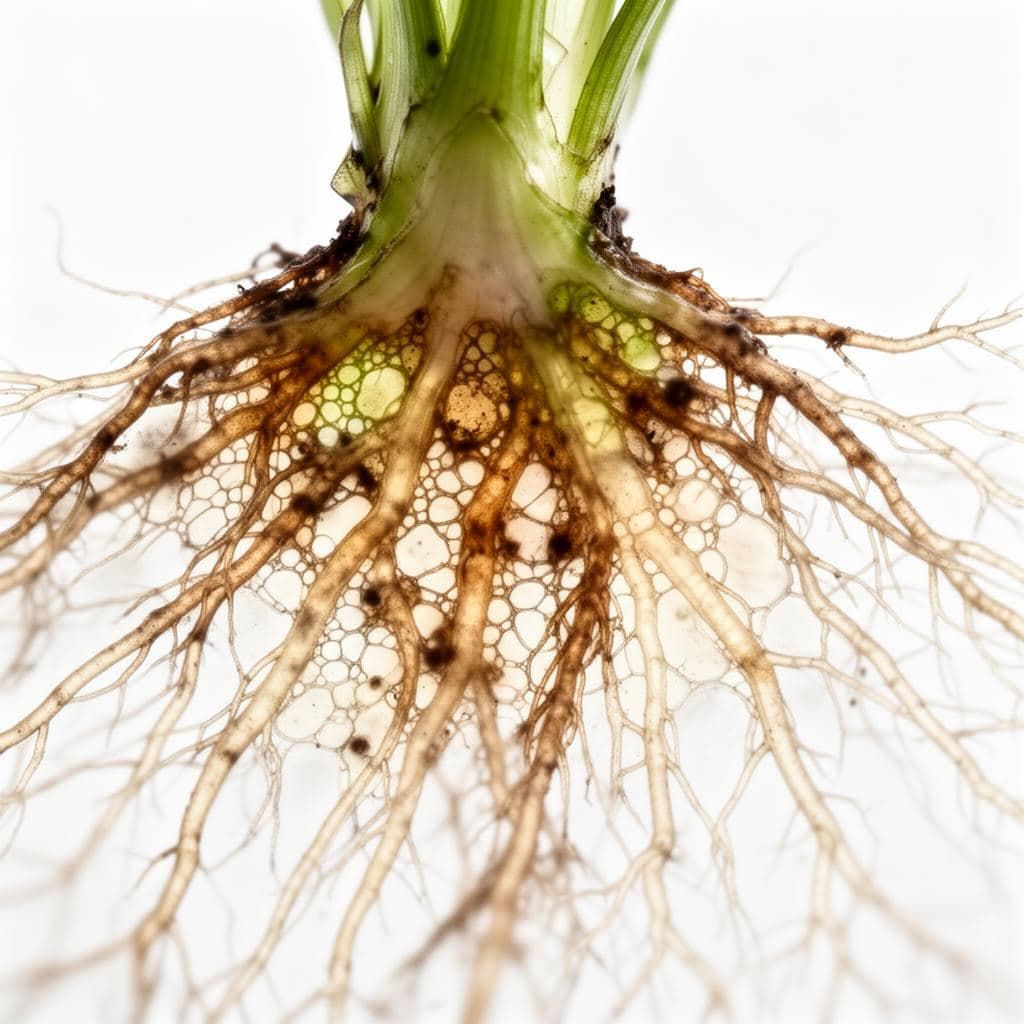
Fiber isn't just an ingredient. It's a living invitation to care for your microbiome — the vibrant community of microbes in your gut that influences digestion, immunity, mood, metabolism, and energy. Paired with mindful hydration, fiber helps your inner garden flourish and thrive.
What Is Fiber, Really?
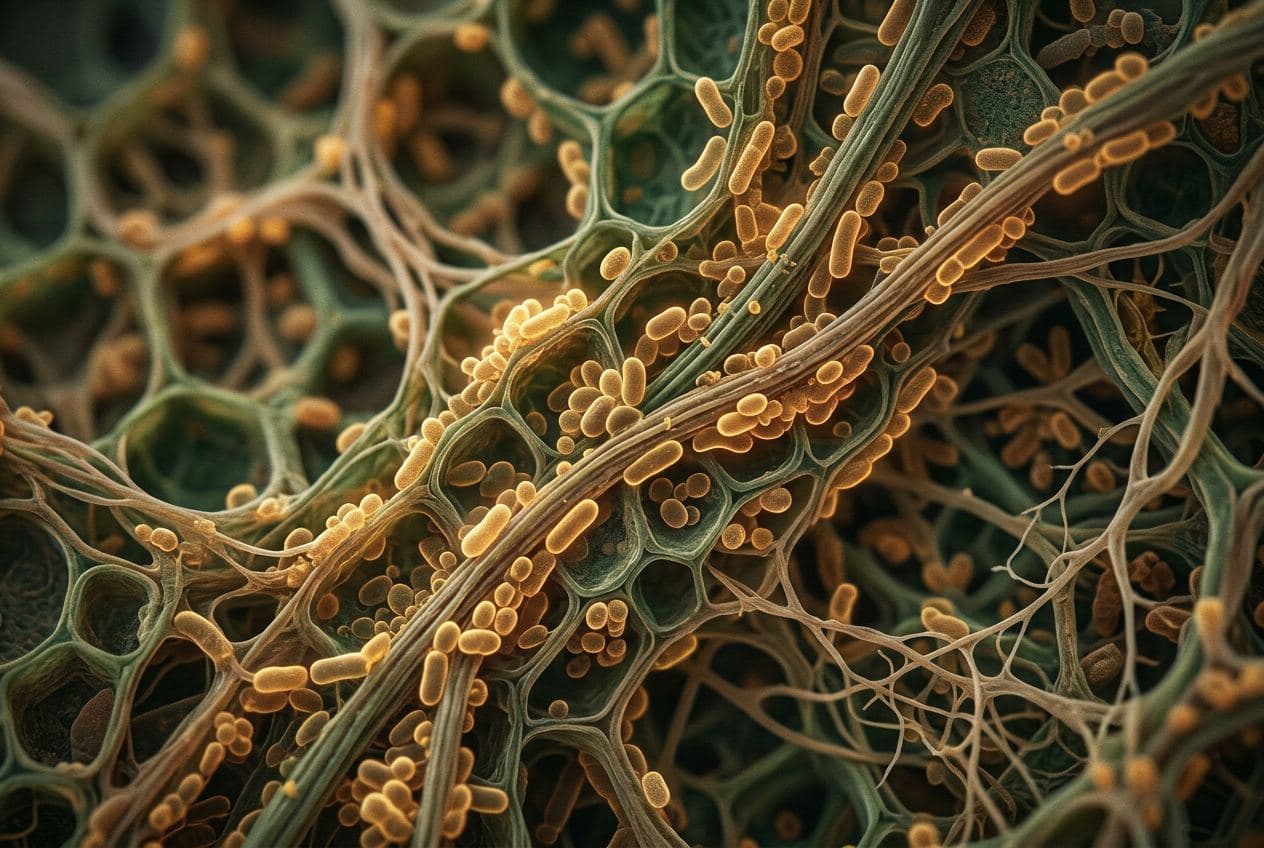
Fiber is the part of plant foods that your body cannot fully digest — and that's exactly why it's so powerful. It travels through your digestive system, feeding trillions of microbes that live there. These microbes, in turn, produce compounds that support health far beyond the gut.
Two main types of fiber:
- Soluble fiber — dissolves in water and forms a gentle gel, supporting healthy blood sugar and cholesterol levels
- Insoluble fiber — adds bulk to stool and helps maintain comfortable, regular digestion
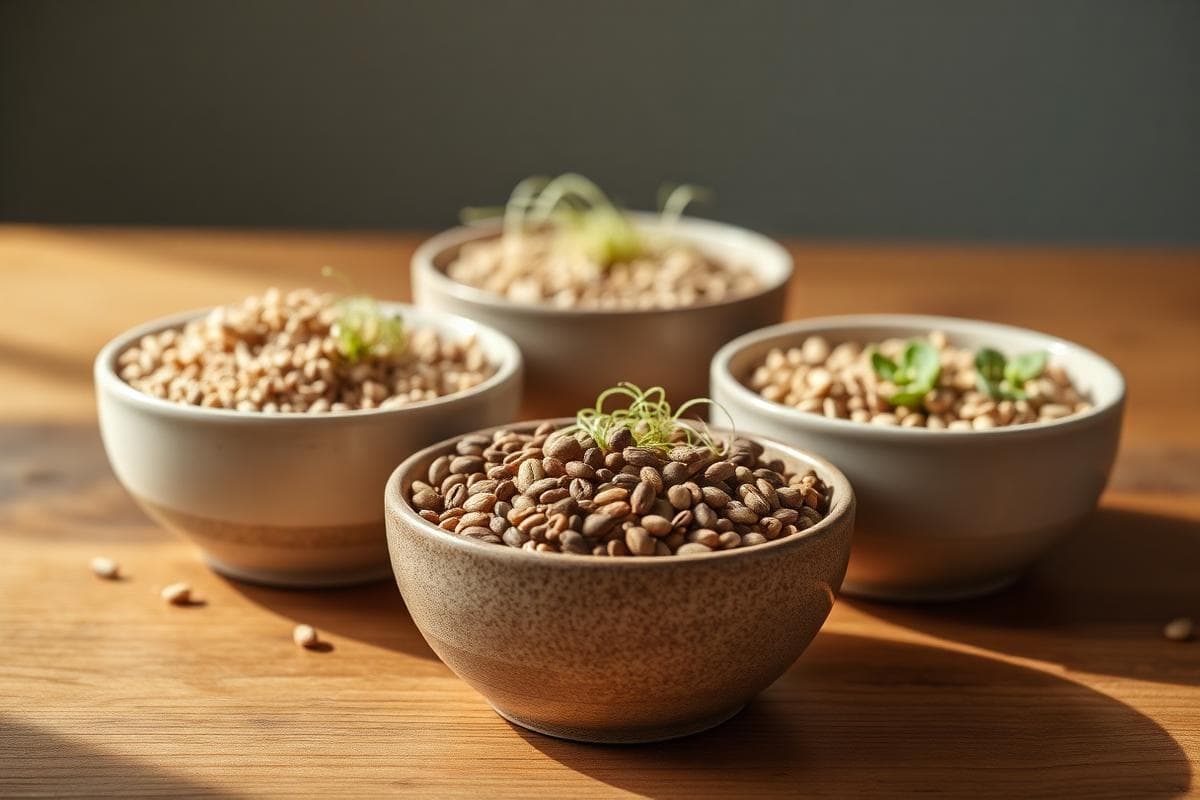
Both types are found naturally in a rainbow of plant foods: greens, vegetables, fruits, legumes, whole grains, nuts, seeds, herbs, and sprouts.
Fiber and Your Microbiome: A Symbiotic Dance
Your gut is like a garden, and each plant you eat — leafy greens, legumes, sprouted grains, seeds, herbs — feeds different species of microbes. These microbes thrive on fiber, producing short-chain fatty acids (SCFAs) — molecules that:
- Support the gut lining and reduce inflammation
- Regulate appetite and metabolism
- Enhance immune resilience
- Influence mood, stress response, and energy
Eating a diverse array of plants and fibers promotes a diverse microbiome, which is associated with stronger immunity, lower inflammation, and better overall health.
Fiber and Your Health — The Conditions It Supports
Science increasingly shows that eating enough fiber can have profound effects on specific health conditions, including:
- Digestive health — Regular fiber intake helps prevent constipation, supports healthy bowel movements, and reduces the risk of diverticulitis and hemorrhoids.
- Blood sugar regulation — Soluble fiber slows glucose absorption, helping manage and prevent type 2 diabetes.
- Cholesterol balance — Fiber binds to cholesterol in the gut, supporting healthy LDL and total cholesterol levels.
- Weight management — Fiber-rich foods increase satiety, helping with weight control and reducing overeating.
- Heart health — High-fiber diets are linked to lower risk of cardiovascular disease.
- Colon health — Feeding beneficial gut bacteria reduces inflammation and may lower the risk of colorectal cancer.
- Hormonal balance — Fiber helps regulate estrogen and other hormones by supporting the body's natural detox pathways.
By choosing a wide variety of fiber-rich plants, you are supporting your body in multiple ways, from blood sugar stability to heart, gut, and hormonal health.
Hydration — Fiber's Essential Partner
Fiber works best with water. Adequate hydration helps fiber move gently through your digestive system, forming nourishing bulk and supporting healthy, comfortable digestion. Water also aids nutrient absorption and keeps your inner garden thriving.
In practice:
- Drink plenty of water alongside your meals
- Include hydrating foods like cucumbers, celery, citrus, and sprouts
- Remember: fiber and water together are like soil and rain — one nourishes, the other activates
Everyday Ways to Nourish with Fiber
Fiber is most powerful when enjoyed naturally and playfully:
- Explore a variety of greens: spinach, kale, chard, rocket
- Include colorful vegetables: carrots, turnip, celery root, cabbage
- Add legumes and sprouted grains to bowls and salads
- Sprinkle seeds and nuts — flax, chia, pumpkin — over meals
- Enjoy whole fruits — skins, seeds, and all
- Use herbs and aromatic greens generously for flavour and phytonutrient support
Every bite is a gift to your inner garden, helping your microbiome thrive and your body feel lighter, more energised, and balanced.
A Gentle Reminder
Fiber doesn't work in isolation. It works in relationship — with water, with plants, with your daily rhythms, and with the way you prepare and enjoy food. Mindful eating, gentle movement, and time in nature all support a flourishing inner ecosystem.
This isn't about restriction or perfection. It's about presence, connection, and curiosity — learning how the foods you choose can become allies in your health, one meal at a time.
An Invitation to Deepen Your Practice
If you want to explore how to nourish your microbiome with fiber, hydration, and plant diversity — and learn how to turn these insights into joyful daily habits — our 4-day program offers a supportive, guided space for practice and lived experience.
Here, you can experiment with plant-based meals, mindful hydration, and simple routines that help your inner garden thrive and flourish.
If this theme resonates with you and you'd like dedicated, personalised support to regulate your health over 40 days — explore our Regulate program, designed to help you build autonomy, balance, and confidence in your daily wellbeing.
Stay Inspired
Receive seasonal inspiration, recipes, and mindful living tips from Swara Slow Living.